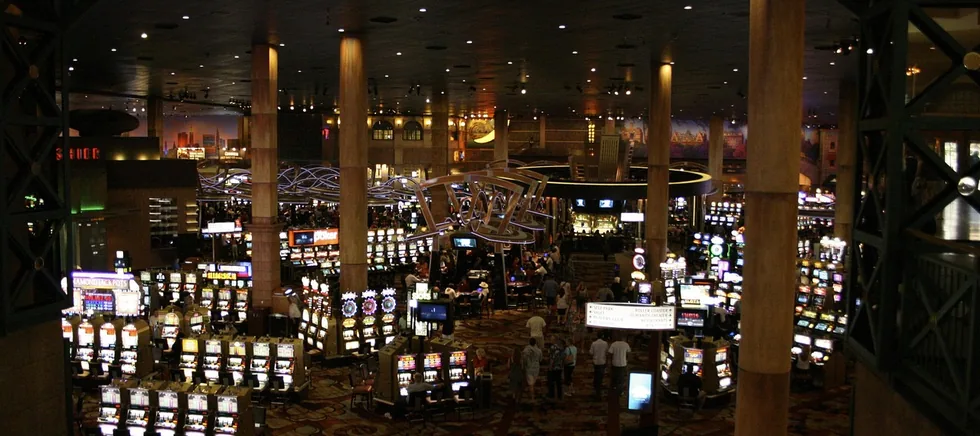
The modern American casino is no longer simply a room full of slot machines and table games. It is a coordinated resort where architecture, hotel operations, restaurants, live entertainment and sports viewing are designed to work together.
The core economic shift is that gambling alone rarely supports a large property anymore. Many casinos earn a substantial share of revenue from rooms, food and beverage, entertainment, meetings and retail, although the exact mix depends on the market and regulatory structure.
Why casino design starts with the guest journey
Large casino resorts are planned much like small cities or destination hotels. Designers study how guests arrive by car, rideshare, hotel shuttle or public transit, where they check in, and how they move between a room tower, conference space, restaurants and the gaming floor. The goal is to make a property feel intuitive and comfortable, not just to direct every step toward a slot machine.
That marks a shift from older properties that were often built around a single gaming room. Today's developments use natural light, open sightlines, outdoor pools and clear signage. In markets with multiple large resorts, competition often turns on how easily a guest can find a restaurant, reach a theater or exit to a parking garage. A closer look at America's casino destinations shows how these design choices vary by region and property type.
How casino floor layout has changed
Older casino floors were sometimes described as windowless, low-ceilinged and maze-like. Some traditional techniques remain, but modern floor design is more varied. Properties often group games by type, denomination or energy level, and many separate higher-limit areas from the main floor. Sportsbook spaces, where state law allows sports betting, are often designed as social viewing areas with large screens and bar seating.
Slot aisles may be wider, with better lighting and more access to daylight than in earlier eras. Table game pits are frequently placed near bars and restaurants so groups can move between activities. Many casinos also include non-smoking sections and quieter zones. The overall pattern is less about trapping a guest and more about giving people different reasons to stay on property.
What hospitality and non-gaming amenities actually do
Hotels, restaurants, pools, spas, retail and convention space now do much of the work of attracting visitors. A hotel tower can draw business travelers, families or couples who may never play a table game but will pay for rooms, meals and shows. That is why analysts and local officials often look at the business beyond the gaming floor when assessing a resort's economic footprint.
Common non-gaming anchors
- Full-service hotels with room categories similar to non-casino resorts
- Restaurants ranging from quick-service options to fine dining
- Pools, spas and fitness centers
- Theaters and showrooms for concerts, comedy and long-running performances
- Meeting and convention space for groups and trade events
- Retail, nightlife and family-friendly attractions in some markets
These amenities extend the length of a stay and create multiple revenue streams. They also change the customer base: a property with strong restaurants and a large convention center may depend less on casino win than a smaller regional casino with limited non-gaming space.
How entertainment and programming extend a visit
Live entertainment has become a central part of the modern casino resort. Showrooms, arenas and lounges host performances, and many properties schedule entertainment every night of the week. The goal is to give guests a reason to book a room, arrive early or stay an extra day, even if their gambling budget is small.
Sports betting has added another entertainment layer. In 2018, the U.S. Supreme Court struck down the federal law known as PASPA, allowing states to decide whether to legalize sports betting. Where authorized, sportsbooks often act as year-round social spaces attached to bars or restaurants. Seasonal events, holiday programming and regional festivals can also fill hotel rooms during slower periods.
For local residents, these entertainment offerings can create jobs in food service, security, production and hospitality, but they can also affect traffic and noise. Public hearings about a proposed project often focus as much on show schedules, parking and public safety as on the gaming floor itself.
How commercial and tribal casinos compare
American casino gaming is legalized and regulated state by state, and the legal structure shapes how a resort is built and operated. Commercial casinos are licensed by state gaming boards or commissions; there is no federal casino license. Tribal casinos operate under the Indian Gaming Regulatory Act of 1988, commonly called IGRA. Class III gaming, which includes most slot machines and table games, generally requires a tribal-state compact approved by the Secretary of the Interior, with federal oversight from the National Indian Gaming Commission.
| Feature | Commercial casino | Tribal casino |
|---|---|---|
| Legal basis | State statute or constitutional amendment | IGRA and tribal-state compact for Class III gaming |
| Primary regulator | State gaming board or commission | Tribal gaming regulator and National Indian Gaming Commission |
| Revenue use | Corporate earnings, state and local taxes, community payments | Tribal government services, economic development and community programs |
| Common non-gaming features | Hotels, restaurants, theaters, convention space, retail | Hotels, cultural amenities, entertainment, restaurants and meeting space |
The distinction matters because a tribal casino's revenue is often used to fund tribal government operations, education, health care and infrastructure. Many tribal properties also include museums, cultural centers or event spaces that reflect the tribe's history. More detail is available in this guide to tribal casinos and local impact.
What technology runs behind the modern resort
Modern casino resorts rely on a dense layer of technology that guests may never see. Slot machines and table games are connected to accounting and surveillance systems that track play and flag anomalies. Hotels use digital room keys, loyalty apps and guest messaging. Restaurants and theaters often share reservation systems with the casino floor, so a property can manage capacity in real time.
Cashless play and loyalty
Cashless wagering and digital wallets have expanded in some states, though rules vary. Online casino gaming is legal only in a minority of states, so for most Americans the in-person resort remains the primary legal gambling environment. A deeper look at the technology powering today's casinos explains how these systems fit together.
Responsible gaming tools
Technology also supports responsible gambling programs. Many properties offer player limits, time reminders and self-exclusion tools, and state regulators often require access to responsible gaming information. The American Gaming Association and the National Council on Problem Gambling publish resources for players and operators. Anyone concerned about gambling can call 1-800-GAMBLER.
What visitors and communities should watch for
Visitors can read a resort by looking beyond the casino floor: how clear is the wayfinding, how well are non-gaming spaces maintained, and what responsible gambling information is visible. Local officials and residents often focus on traffic, public safety, jobs, problem gambling services and the terms of a license or compact. Because rules differ by state, it is helpful to review how casino policy takes shape before drawing conclusions about a proposed or existing property.
The next generation of American casino resorts is likely to put even more emphasis on mixed-use development, entertainment districts and technology that personalizes a stay. Gambling will remain the regulated core, but the modern casino is best understood as a hospitality and entertainment business that happens to house gaming.