Casino resorts today are judged by more than their slot machines and table games. Dining, live entertainment, swimming pools, convention space, and family attractions often determine where visitors spend their time—and whether they return.
Gaming still provides the core revenue for many properties, but the modern resort experience is built around a broader promise: a full day or weekend of food, shows, relaxation, and social activity. This guide explains how non-gaming amenities work and what to look for when comparing destinations.
Why the modern casino is no longer just a casino
For decades, the typical casino floor was designed to keep guests near the games. Restaurants were convenient but secondary, and entertainment was often limited to a lounge act. As more states authorized gaming, competition increased, and operators began building hotels, theaters, and retail space to attract visitors who might otherwise stay away.
This shift is part of what we explored in inside the modern American casino. The goal is no longer just to maximize time on the casino floor; it is to create a total resort visit that can compete with other hospitality options in the region.
Regulation matters here. Casino gaming is legalized and regulated state by state, and there is no federal casino license. Tribal casinos operate under the Indian Gaming Regulatory Act of 1988, with the National Indian Gaming Commission as the federal regulator. Those legal structures influence what non-gaming facilities a property can build and how it may market them.
Dining as a destination driver
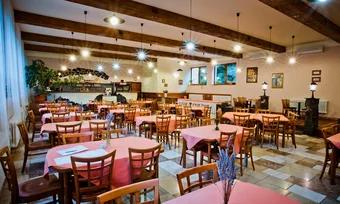
Dining is often the first non-gaming amenity that visitors notice. Resorts now offer a range of options: quick-service cafes, food halls, steakhouses, seafood rooms, and chef-driven tasting menus. The idea is to give guests reasons to stay on property for breakfast, lunch, and dinner instead of leaving for a nearby restaurant.
Fine dining and celebrity chefs
Many large resorts court well-known chefs or restaurant groups to add prestige. These restaurants can attract local diners who never enter the casino, while giving hotel guests a high-end option. Menus are often designed around regional ingredients, and the dining room may be placed near the hotel entrance or a theater so diners do not have to walk through the gaming floor.
Some properties go further by creating standalone restaurant entrances, valet areas, and separate reservations lines. That allows the restaurant to operate as a destination in its own right, especially in urban markets where competition for upscale diners is intense.
Casual concepts and food halls
At the other end of the spectrum, casual food halls and market-style concepts let groups eat at different counters and share a table. This format works well for families, convention attendees, and visitors who want a quick meal between shows or meetings. Some properties also add grab-and-go coffee shops, bakeries, and late-night noodle bars to serve guests at all hours.
For a broader look at how different destinations build their dining scenes, see our overview of America's casino destinations.
Entertainment and nightlife beyond the casino floor
Entertainment has become a full programming layer. Theaters can host touring musicians, comedians, magic acts, and Broadway-style productions. Nightclubs and lounges cater to adults, while pool parties and outdoor concerts extend the resort's hours. Many properties also operate sportsbooks where sports betting is legal, blending a gambling product with a social viewing experience.
These venues do more than sell tickets. They fill hotel rooms on weekdays, introduce new visitors to the property, and create a reason for local residents to come back. The calendar of events is often updated weekly, so the experience can differ from one visit to the next. Regional markets vary widely in the scale and type of entertainment, as we note in our guide to regional casino markets.
Some resorts also add attractions aimed at families, such as cinemas, arcades, bowling alleys, or seasonal exhibits. These spaces are usually physically separated from the gaming floor, with separate entrances and age-restricted areas where required by state law. That separation is not just good design; it is often a condition of the gaming license.
Amenities that turn a visit into a stay
Beyond food and shows, a modern casino resort often includes amenities that resemble a destination hotel. These are not afterthoughts; they can be the primary reason someone books a room.
Common non-gaming amenities include:
- Pools, lazy rivers, cabanas, and day clubs
- Spas, salons, and fitness centers
- Retail promenades and boutique shopping
- Convention centers and meeting rooms
- Golf courses, tennis courts, and outdoor recreation
- Family entertainment centers with arcades or bowling
- Chapels, wedding venues, and event lawns
Each of these serves a different audience. A convention center can fill hundreds of hotel rooms on weekdays, while a pool complex attracts leisure travelers in summer. Spas and golf courses appeal to higher-spending guests who may not gamble at all. The mix depends on the local market, the climate, and the resort's size.
Operators also adjust amenities by season. A large outdoor pool may close or convert to an event space in winter, while an indoor spa or theater remains busy. This kind of programming flexibility is part of what separates a full resort from a casino with a few extra rooms.
A quick comparison of non-gaming amenities
| Amenity | Typical features | Why it matters |
|---|---|---|
| Dining | Fine dining, food halls, casual cafes, late-night options | Keeps guests on property and draws local diners |
| Entertainment | Theaters, nightclubs, lounges, sportsbooks, family shows | Fills rooms and creates repeat visits |
| Pools and wellness | Resort pools, spas, fitness centers, salons | Attracts leisure travelers and extends average stay |
| Meetings and events | Ballrooms, breakout rooms, convention space | Builds midweek and group business |
Operators often use customer data and mobile apps to promote these amenities. For more on the tools behind that, see the technology powering today's casinos.
How non-gaming revenue and loyalty work
The business model has changed. For many resorts, food and beverage, hotel, and entertainment revenue are tracked separately from gaming revenue. A guest who spends on dinner, a show, and a spa treatment may be just as valuable as one who spends only on slots, especially if they return more often.
Loyalty programs increasingly reward total resort spend. Diners and hotel guests can earn points or tier credits that may be redeemed for rooms, meals, or entertainment. This does not require gambling, though many programs still weigh gaming activity more heavily. The American Gaming Association publishes research on how operators think about these revenue streams, without endorsing any particular operator.
Non-gaming amenities also support responsible gambling goals by giving visitors a reason to take breaks from the casino floor. Anyone concerned about gambling can contact the National Council on Problem Gambling or call 1-800-GAMBLER. Balance is part of the modern resort pitch.
Regulation and community impact of non-gaming development
Adding a restaurant, theater, or hotel tower is not simply a business decision. It often requires local land-use approvals, building permits, liquor licenses, and entertainment permits. State gaming regulators may also review certain non-gaming amenities if they are connected to a licensed casino or if they affect the casino's security plan.
For tribal casinos, gaming is governed by the Indian Gaming Regulatory Act and tribal-state compacts for Class III gaming. Non-gaming development on tribal land may involve additional layers of federal and tribal oversight, depending on the project and its financing. Our guide to how casino policy takes shape explains the broader framework.
Communities often weigh these projects carefully. A large resort can bring jobs, tax revenue, and tourism, but it can also raise concerns about traffic, housing, and problem gambling. Public hearings and local agreements are common, and the mix of benefits and conditions differs from one state or municipality to another.
The new measure of a complete casino resort
The modern casino is best understood as a hospitality campus rather than a single room of games. Dining, entertainment, pools, retail, and meeting space are not add-ons; they are central to how properties compete, earn loyalty, and serve their communities.
When comparing casinos, look beyond the slot count. Ask what you can do in a full day: where you will eat, what show you might see, whether there is a place to relax or bring the family, and how easy it is to move between spaces. Those details often tell you more about the experience than the size of the gaming floor.